 Skip to content


Short-term rentals in Portugal, known locally as Alojamento Local (AL), have become one of the most popular ways for property owners to generate rental income from tourism.
With millions of visitors arriving every year, many investors choose to operate short-term rental properties in Portugal through platforms like Airbnb, Booking.com, or VRBO.
However, operating a short-term rental requires complying with specific regulations, obtaining the correct licence, and understanding the tax rules.
In this guide, we explain how short-term rentals work in Portugal, how to obtain an AL licence, and what property owners should know before entering the market.
If you want to understand how rental property works in general, see our guide to renting out property in Portugal.
What Is Alojamento Local (AL)?
Alojamento Local (AL) is the legal framework that allows property owners in Portugal to operate short-term rental accommodation.
Properties registered under AL can be rented for short stays of up to 30 days and are commonly listed on platforms such as:
- Airbnb
- Booking.com
- VRBO
The licence is issued by the local municipality (Câmara Municipal) and registered in the National Local Accommodation Registry (RNAL).
Once approved, the property receives a unique AL registration number that must appear in all advertisements and booking platforms.
New Short-Term Rental Law in Portugal
On 1 November 2024, the Portuguese government introduced changes to the Alojamento Local regime through Decree-Law No. 76/2024.
These reforms reversed several restrictions introduced by the Mais Habitação housing program in 2023.
The new legislation aims to restore stability and encourage investment in the short-term rental sector.
The following measures were revoked:
- Suspension of new AL licence registrations
- Automatic cancellation of inactive licences
- Ban on transferring AL licences when selling a property
- Mandatory review of all licences in 2030
- Five-year licence renewal requirement
These changes have improved legal certainty for investors interested in operating short-term rentals in Portugal.

How to Obtain an AL Licence in Portugal
Getting an AL licence in Portugal is relatively straightforward, but the property must comply with safety, hygiene, and legal requirements.
Step 1 – Submit the Registration
The owner must submit a local accommodation registration request to the municipality where the property is located.
Applications are typically submitted through the municipality’s online portal.
Step 2 – Provide Property Information
During the application, the owner must provide:
- owner identification
- property information
- rental category (apartment, house, guesthouse)
Once submitted, the municipality usually issues a provisional AL number, allowing the property to begin operating while inspections are completed.
Step 3 – Meet Safety and Compliance Requirements
Short-term rental properties must comply with basic safety requirements, including:
- fire extinguisher
- first-aid kit
- emergency contact information
- liability insurance
- visible guest information signage
Step 4 – Registration in RNAL
After approval, the property is registered in the RNAL database and receives a permanent AL licence number.
This number must appear in all rental advertisements and booking platforms.
Documents Required for an AL Licence
To register a short-term rental in Portugal, property owners typically need the following documents.
| Required Document | Description |
|---|---|
| Owner identification | Passport or Portuguese ID |
| NIF | Portuguese tax identification number |
| Property deed | Escritura or ownership document |
| Land registry certificate | Certidão do Registo Predial |
| Property tax record | Caderneta Predial |
| Property floor plan | Sometimes required by municipalities |
| Insurance policy | Liability and property insurance |
| Emergency contact details | Required for guest safety |
| Declaration of compliance | Confirmation of AL safety rules |
Get In Touch With a Portugal Property Specialist
Portugal Residency Advisors® has assisted numerous international investors in successfully investing in Portugal. Discover how our trusted, all-in-one solution makes your investment journey smart and simple.
The Short-Term Rental Market in Portugal
Portugal remains one of Europe’s strongest tourism markets.
According to INE and Turismo de Portugal, the country recorded:
- 31.6 million guests in 2024
- over 80 million overnight stays
Around 70% of overnight stays come from international visitors, demonstrating the importance of tourism to the Portuguese economy.
This strong tourism demand drives the short-term rental sector, especially in destinations such as:
- Lisbon
- Porto
- the Algarve
- Cascais
- Sintra
Well-located properties in these areas can achieve high occupancy rates and strong seasonal returns.
Best Locations for Short-Term Rentals in Portugal
Some regions consistently perform well in the AL rental market.

Lisbon remains one of the strongest markets due to year-round tourism.
Popular neighbourhoods include:
- Baixa
- Chiado
- Alfama
- Príncipe Real

Porto continues to attract international visitors thanks to its historic centre and riverfront.
High-demand areas include:
- Ribeira
- Cedofeita
- downtown Porto
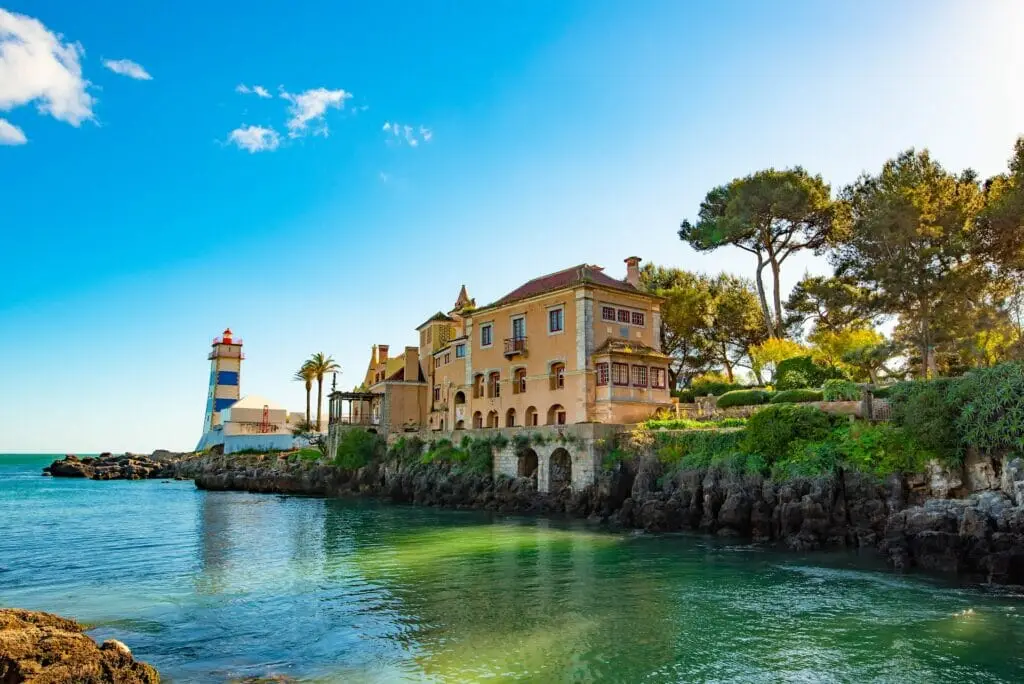
Cascais, located near Lisbon, combines beach tourism with easy city access.
The area attracts:
- families
- remote workers
- international visitors

The Algarve remains Portugal’s main tourism destination.
Popular towns include:
- Lagos
- Albufeira
- Vilamoura
These areas see particularly strong demand during the spring and summer seasons.
Taxes on Short-Term Rentals in Portugal
Income generated from Alojamento Local rentals is taxed as a business activity under Category B income.
Owners must choose between two tax regimes.
Simplified Regime
Most AL hosts use the simplified regime.
Under this model:
- the tax authority applies a percentage to rental income
- accounting obligations are minimal
Organised Accounts Regime
This regime allows owners to deduct real expenses, such as:
- maintenance
- cleaning services
- utilities
- mortgage interest
However, it requires formal accounting and a certified accountant.
VAT (IVA)
VAT treatment depends on the services provided.
Most AL apartments and villas are exempt from VAT, as they provide accommodation without hotel-style services.
However, VAT may apply if the property operates like a hotel, offering:
- daily cleaning
- breakfast
- reception services
Because rules can vary, many investors consult tax professionals when operating short-term rentals.

Short-Term vs Mid-Term vs Long-Term Rentals
Different rental models exist in Portugal.
| Rental Type | Duration | Target Tenants | Regulation |
|---|---|---|---|
| Short-term (AL) | Up to 30 days | Tourists, visitors | Strict regulation |
| Mid-term | 1–12 months | Expats, digital nomads | Moderate regulation |
| Long-term | 12+ months | Residents and families | Standard rental law |
Each model offers different levels of flexibility, income stability, and management requirements.
Advantages and Challenges of Short-Term Rentals
Advantages
- Higher nightly rental income
- Flexibility to use the property personally
- Strong demand from tourism
Challenges
- Regulatory changes in certain cities
- Higher management workload
- Seasonal income fluctuations
Because of the operational demands, many investors work with property management companies in Portugal.
How Can We Help You
Local Expertise
We focus exclusively on Portugal, allowing us to provide clear guidance based on deep local market knowledge.
Holistic Approach
We manage the entire process through a single communication channel, covering property search, negotiation, legal checks, due diligence, and ongoing property management.
Independent Service
As an independent buyer’s agent, we work with any agent, seller, or developer, giving you access to the full market and helping you secure the right property at the best price.
Simple Process
By using technology and efficient systems, we streamline communication, reduce paperwork, and provide clear property insights to make the process easier for our clients.
Frequently Asked Questions
What is an AL licence in Portugal?
An AL licence allows property owners to legally operate short-term rentals for stays of up to 30 days.
Can foreigners obtain an AL licence?
Yes. Foreign property owners can obtain an AL licence as long as the property complies with local regulations.
Are short-term rentals allowed everywhere in Portugal?
Short-term rentals are allowed nationwide, but municipalities may impose restrictions in certain neighbourhoods.
Do I pay tax on Airbnb income in Portugal?
Yes. Income from short-term rentals must be declared and taxed under Portuguese tax law.
Is short-term rental profitable in Portugal?
Well-located properties in cities like Lisbon, Porto, and the Algarve can generate strong occupancy and attractive rental income.
Short-term rentals in Portugal remain a popular investment strategy thanks to the country’s strong tourism sector. However, operating an Alojamento Local property requires obtaining the proper licence, complying with safety regulations, and understanding the applicable tax rules.


