 Skip to content


Porto, the second-largest city in Portugal, has recently attracted an increasing number of homebuyers and foreign investors to Porto real estate.
Renowned for its gorgeous riverfront views, rich history, and energetic cultural scene, the Porto Portugal real estate market is booming.
Porto real estate is clearly becoming popular worldwide, given international prominence and the growing immigrant flow. This blog will help you through the relevant information you need to know if you are thinking about purchasing real estate in this lovely city.
Why Should I Choose Porto Real Estate?
Porto is a dynamic commercial center in addition to a city rich in history and culture.
For real estate investors as well as visitors, it has become one of the most beautiful cities in Europe throughout the previous ten years. For foreigners looking to make real estate investments, its special mix of old-world elegance and contemporary innovations appeals.
Porto real estate investment is a leading choice thanks to both its great quality of living and economic development, as well as its worldwide recognition from the international magazine Time Out, ranking Porto 10th on its list of the “Best Cities in the World.”
The city’s population has been continuously rising, and it still draws a varied population, including foreign nationals. Actually, according to the most recent data, Porto’s population consists of about 14.3% foreigners, more than the national average of 9.8%.
Foreigners In Porto, Portugal
With over 35,000 foreign residents calling Porto home, overseas purchasers comprise a sizable share of the real estate market. This illustrates the expanding worldwide interest in the property scene of the city. Although many of these customers originate from other European nations, Porto real estate has drawn more and more buyers from all around the world, including China, Brazil, and the United States.
Porto’s great proportion of foreigners (14.3%, compared to the national average of 9.8%) underlines the city’s attractiveness as a place to live and invest. For both investors and expatriates, the city’s accessibility, combined with the rising presence of foreign companies and the availability of contemporary conveniences, appeals.

Porto Real Estate's Growing Demand
Especially in the luxury category, Porto real estate market has seen remarkable expansion throughout the years. Knight Frank’s 2023 Wealth Report ranks Porto 10th among the premium real estate markets fastest rising worldwide. This shows how popular Porto is not only with visitors but also among wealthy investors, becoming a hotspot.
Factors like the city’s cultural attraction, strategic position, and mild temperature help drive Porto’s property demand. Porto presents a great way of life, particularly for people from colder areas.
Its Mediterranean climate features mild winters and beautiful summers. Furthermore, the city’s closeness to the Douro River and the Atlantic Ocean guarantees stunning views, which raises even more demand for first-rate real estate.
Top Locations for Buying Property In Porto, Portugal
Porto presents a range of communities and neighboring locations, each with its special appeal and character. Porto real estate has lots to offer, whether you’re searching for a house in the middle of the city or a quiet haven in a neighboring village. The following are some of the most opted-for locations for Portugal Porto real estate:
Baião
About 60 miles from Porto city, Baião presents a peaceful environment with breathtaking Douro River views. Baião, well-known for its natural beauty and vineyards, is ideal for people looking for a rural way of life with simple access to the metropolis. Baião’s more reasonable property costs than Porto make it a desirable choice for those searching for bigger houses or investment prospects.
Maia
Renowned for its dynamic economy, first-rate infrastructure, and close proximity to Porto’s city center, Maia is among the most sought-after municipalities in the Greater Porto region. From contemporary flats to roomy family houses, the neighborhood presents a great array of properties. Professionals working in Porto who wish to reside in a more reasonably priced and peaceful location find Maia especially appealing.
Matosinhos
Prominent for beaches, seafood restaurants, and first-rate quality of living, Matosinhos is a coastal town just north of Porto.
One of the most sought-after locations to live in the Porto metropolitan area, the area has experienced substantial investment recently. Matosinhos presents a range of choices for buyers, whether you’re searching for a modern apartment or a house by the shore.
Porto
One of the best cities in the area still for property purchases is Porto itself. Renowned for its vivid culture, great architecture, and rich past, Porto is a busy city with a strong real estate market. From new flats with river views to old buildings in the city center, Porto presents a broad spectrum of choices for any kind of consumer.
Recent years have seen notable expansion in the real estate sector of the city, especially in luxury homes, which attract local as well as foreign buyers.
Santo Tirso
Strong industrial and historical heritage abound in Santo Tirso, northeast of Porto. The town has developed significantly recently thanks to better residential areas and infrastructure.
With property values sometimes less than in the city center, Santo Tirso is a more reasonably priced substitute for Porto. For people looking for a more sedate way of life and yet close to Porto, the location is perfect.
Trofa
For those looking for reasonably priced real estate, Trofa – which lies northwest of Porto – is also quite appealing. The town presents a combination of urban and rural living. Its expanding community is served by first-rate transit to Porto. Trofa’s real estate market still has great unrealized potential for future wealth appreciation.
Valongo
Just north of Porto, Valongo is a village offering a quiet suburban living with convenient access to the metropolis.
A popular choice for purchasers seeking a quieter, more reasonably priced region, Valongo is well-known for its green areas and family-friendly vibe. The location is appealing for investment since recent years have seen growing buyer interest in it.
Vila Nova de Gaia
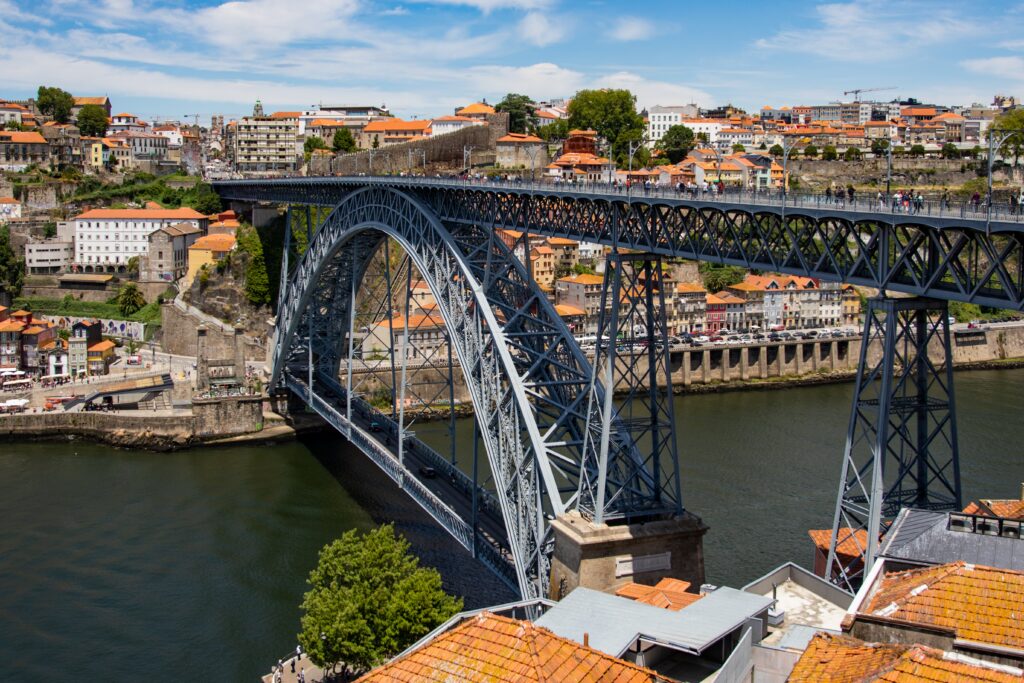
Right across the Douro River from Porto, Vila Nova de Gaia provides breathtaking views of the famous city skyline. With several luxury projects and riverside homes drawing purchasers, the neighborhood has grown ever more popular recently.
Although Vila Nova de Gaia is near Porto’s main core, it has a more serene surrounding. Vila Nova de Gaia offers a selection of choices for all kinds of consumers, whether your preferred style is classic or modern.


The Porto Real Estate Property Market
The Porto Portugal real estate market is diverse, offering a wide range of properties, from traditional apartments in historic buildings to modern homes in newly developed areas. For foreign buyers, it’s essential to understand the different types of properties available and how to navigate the purchasing process.
City Center and Historical Properties
The historic center of Porto is a UNESCO World Heritage site, meaning many of the properties here are centuries old. These properties exude unique charm and often feature classical architecture with tiled facades. While some may require renovation, they can be a good investment, particularly for those who value history and authenticity.
Luxury Apartments and Condominiums
Portugal Porto real estate has seen a rise in luxury developments, especially in the Boavista and Foz do Douro neighborhoods.
These areas offer modern apartments with high-end finishes, often featuring stunning views of the Atlantic Ocean or the Douro River. If you’re looking for a more contemporary living space, these developments might be the right fit.
Villas and Detached Homes
While more common in the surrounding areas of Porto real estate, villas and detached homes are available for those seeking more privacy and space. Areas like Vila Nova de Gaia, just across the river from Porto’s city center, are popular for those looking to purchase larger properties.
Investment Properties
Real estate in Porto Portugal is thriving, particularly in tourist-heavy areas. Many foreign buyers are purchasing apartments or properties in Porto with the intention of renting them out on a short-term or long-term basis. The city’s growing tourism industry makes this a lucrative option for investors.
Property Prices in Porto (2026)
Property prices vary depending on location, proximity to the river, and neighborhood development.
| Area | Avg Price €/m² | Property Type | Buyer Profile |
|---|---|---|---|
| Historic Centre | €5,000–€5,500 | Renovated apartments | Investors, short-term rental |
| Baixa | €5,000+ | Central apartments | Investors, professionals |
| Foz do Douro | €4,500–€5,000 | Coastal luxury homes | Lifestyle buyers |
| Boavista | €4,000–€4,500 | Modern apartments | Professionals, families |
| Matosinhos | €4,000–€4,300 | Coastal apartments | Expats, families |
| Bonfim | €3,500–€3,800 | Residential properties | Investors |
| Campanhã | €3,000–€3,200 | Emerging market | Value investors |
| Vila Nova de Gaia | €2,700–€3,000 | Affordable housing | Families, long-term buyers |
Porto remains significantly more accessible than Lisbon, while still offering strong demand and liquidity.
Rental Income in Porto
Porto continues to attract both investors and lifestyle buyers thanks to its balanced combination of property prices, rental demand, and long-term growth potential. Compared to Lisbon, Porto generally offers more accessible entry prices while still maintaining solid rental returns.
Short-term rental yields typically range between 4% and 6%, supported by strong year-round tourism demand. At the same time, the city also benefits from a stable long-term rental market driven by students, young professionals, and international residents relocating to northern Portugal.
For investors looking for a combination of rental income and long-term appreciation, Porto remains one of the most attractive property markets in Portugal.
For a more detailed analysis, read our buy-to-let investment guide.
Get In Touch With a Portugal Property Specialist
Portugal Residency Advisors® has assisted numerous international investors in successfully investing in Portugal. Discover how our trusted, all-in-one solution makes your investment journey smart and simple.
Key Factors Driving Foreign Investment
Several key factors contribute to the rising popularity of the Porto Portugal real estate market among foreign buyers:
Affordable Prices Compared to Lisbon
Although Porto is the second-largest city in Portugal, property prices remain more affordable than in Lisbon, the country’s capital. This makes Porto real estate an appealing option for those looking to invest in Portugal without the high price tag that comes with Lisbon. Over the years, Porto has become a more budget-friendly alternative, offering the same quality of life and investment potential.
High Rental Yields
Porto Portugal real estate offers attractive rental yields, especially in areas with high tourist demand. The growth of Porto’s tourism industry, combined with a steady influx of international visitors, ensures that rental properties remain in high demand. Investors can benefit from substantial rental returns, particularly in the city center and along the riverfront.
How to Buy Property in Porto
For foreign buyers interested in purchasing Porto real estate, there are several important steps to follow:
Find a Trusted Real Estate Agent
It’s essential to work with a reputable and experienced agent familiar with Porto real estate. They can help you navigate the market, find properties that match your preferences, and provide valuable advice throughout the buying process.
Obtain a Portuguese Tax Identification Number (NIF)
You’ll need a Portuguese tax number (NIF) to buy property in Porto real estate. This is required for all financial transactions in Portugal, including property purchases. You can obtain an NIF through a local tax office or by hiring a tax representative.
Open a Portuguese Bank Account
It’s advisable to open a Portuguese bank account before purchasing Porto real estate. This account will be necessary for transferring funds and paying taxes, utility bills, and other property-related expenses.
Legal Representation
It’s highly recommended to hire a local lawyer who specializes in Portugal Porto real estate transactions. A lawyer can help ensure that the property is free of any legal issues, verify ownership, and handle all necessary paperwork.
Property Reservation and Signing a Promissory Contract
Once you’ve found the right property, you’ll sign a reservation agreement and typically pay a deposit. Afterward, you’ll enter into a promissory contract, which outlines the terms of the sale. This contract is legally binding and sets the stage for the final purchase.
Final Deed and Registration:
The final step in the process is the signing of the deed at a notary’s office, after which the property is officially registered in your name.
Costs and Taxes When Buying Property
When buying property in Porto, buyers should budget for additional taxes and purchase costs beyond the property price itself.
The main taxes include IMT (Property Transfer Tax), which varies depending on the property value and type, and Stamp Duty, charged at 0.8% of the purchase price. Buyers should also consider notary, registration, and legal fees as part of the overall acquisition costs.
For a full breakdown of costs and taxes, read our property taxes in Portugal guide.
Other Popular Regions to Buy Property in Portugal
If you’re comparing options:
- Lisbon → higher prices, strong capital growth
- Algarve → lifestyle + tourism market
- Madeira → relocation and retirement
- Alentejo → space and lower entry prices
Explore our best places to live in Portugal guide.
Why Work With Us
Local Expertise
We know Portugal inside out. By focusing exclusively on one country, we provide clear and practical guidance on the property market based on deep local knowledge.
Honest Guidance
We recommend what’s truly best for you. Our advice is based on real experience, helping buyers make confident decisions with transparent and fair pricing.
All-in-One Solution
A single point of contact for your entire property purchase. From identifying the right property to coordinating agents, lawyers, and completing the purchase.
Independent Service
As an independent buyer’s agent, we work with any agent, seller, or developer, giving you access to the full market and helping you secure the right property at the best price.
Discover 10 Reasons to Choose Us for Buying Property in Portugal
Your Questions Answered
Is Porto a good place to invest in property?
Yes. Porto offers strong rental demand, lower entry prices than Lisbon, and consistent long-term growth.
Can foreigners buy property in Porto?
Yes. There are no restrictions for foreign buyers in Portugal.
What is the average price per m² in Porto?
Typically between €3,000 and €5,500 depending on location.
Is Porto better than Lisbon for investment?
Porto offers better entry prices and yields, while Lisbon offers stronger liquidity and capital appreciation.
Should I use a buyer’s agent in Porto?
Yes. A buyer’s agent helps you access better deals, avoid risks, and negotiate effectively.
Is property in Porto expensive?
While Porto Portugal real estate offers a range of prices, it has become pricier in recent years, especially in popular and historic neighborhoods.
Where do most expats live in Porto, Portugal?
Expats in Porto often reside in areas like Foz do Douro, Boavista, and Cedofeita, which provide a mix of upscale Porto real estate options, cultural charm, and amenities.
Is Porto a cheap place to live?
Compared to other European cities, Porto Portugal real estate and living costs remain relatively affordable, though prices have risen in recent years.
Is it worth living in Porto?
Living in Porto is worthwhile for its vibrant culture, historic charm, excellent food, and quality Porto real estate options, offering a balance of affordability and modern amenities.
Is Porto real estate a good investment?
Yes, Porto real estate is a solid investment, with growing demand for both residential and rental properties. The city’s status as a cultural and economic hub, combined with its appeal to tourists and expats, drives property value appreciation and rental yields.
How does Porto real estate compare to Lisbon?
Porto real estate is generally more affordable than Lisbon, though prices in Porto have been rising due to increased demand. While Lisbon attracts more international attention, Porto offers a more relaxed lifestyle with similar investment potential.
What are the best neighborhoods for families in Porto?
For families, neighborhoods like Foz do Douro and Boavista are popular due to their proximity to schools, parks, and family-friendly amenities. These areas also offer a variety of Porto real estate options, from spacious homes to modern apartments.
Buying property in Porto in 2026 remains a strong opportunity for both lifestyle buyers and investors. With more accessible prices than Lisbon, the city offers solid rental demand, long-term growth potential, and a high quality of life. With the right strategy and proper guidance, you can secure a property that aligns with both your lifestyle and investment goals.


