 Skip to content


The Portugal Digital Nomad Visa, officially known as the D8 Visa, is a purpose-built immigration pathway designed to allow non-European Union (EU), non-European Economic Area (EEA), and non-Swiss nationals to reside in Portugal while working remotely for foreign companies or clients.
Since its introduction in October 2022, this programme has rapidly become one of the most popular options for international professionals seeking a blend of legal residency, work flexibility, and high quality of life in one of Europe’s most dynamic and connected countries.
This visa is particularly attractive to freelancers, remote employees, consultants, and digital entrepreneurs because it enables them to legally live in Portugal without requiring local employment or traditional work sponsorship, while still working for clients or companies based outside of Portugal.
Holding a Portugal D8 Visa also opens opportunities to travel freely within the Schengen Area, access public services once residency is formalised, and potentially build a long-term relocation strategy that aligns with property investment goals.
This article provides comprehensive guidance on the Portugal Digital Nomad Visa.
Portugal Digital Nomad Visa Overview
| Feature | Details |
| Visa type | Remote worker residence visa |
| Minimum income | ~€3,680/month |
| Work requirement | Remote work for foreign company or clients |
| Initial residence permit | 2 years |
| Renewal | 3 years |
| Permanent residence eligibility | After 5 years of legal residence |
| Citizenship eligibility | After 10 years or seven years for CPLP countries |
What is the Portugal Digital Nomad Visa (D8 Visa)?
The Portugal D8 Visa is a type of national visa specifically structured for professionals who earn income remotely and want to establish legal residency in Portugal. Unlike short-stay tourist visas that limit visitors to 90 days, the D8 Visa grants holders the right to live in Portugal for an extended period, whether through a one-year temporary stay or by converting to a longer-term residency permit after arrival.
Key Features of the Portugal D8 Visa
Remote Work Eligibility
The visa is designed for individuals who work remotely for companies, clients, or personal businesses located outside of Portugal. This includes employees, freelancers, contractors, and digital entrepreneurs.
Two Pathways
Applicants can choose a Temporary Stay Visa (valid for up to one year, often renewable) or a Residence Visa (initially issued for four months, which then enables applicants to apply for a residence permit valid for two years and renewable thereafter).
Schengen Mobility
Once in Portugal under the D8 Visa, holders enjoy travel freedom across the Schengen Area, which encompasses most EU countries without additional border controls, offering broad mobility throughout Europe.
Residency Pathway
The D8 Visa can be part of a long-term residency strategy, as holders may renew their residence permits and, after a period of continuous legal residency in Portugal (typically five years), may become eligible for permanent residency and later explore Portuguese citizenship options (subject to legal requirements).
Who Qualifies for the Digital Nomad Visa?
You qualify if you:
- Are a non-EU/EEA/Swiss citizen
- Work remotely for an employer outside Portugal OR perform freelance work for foreign clients
- Have stable recurring income
- Meet the minimum income threshold (typically ~4× Portugal’s minimum wage)
Who Typically Applies for the Portugal Digital Nomad Visa?
The Portugal Digital Nomad Visa is popular among professionals who work remotely and want to live in Portugal while keeping their international income.
Applicants commonly include remote employees working for foreign companies, freelancers providing online services, entrepreneurs running digital businesses, and startup founders managing remote teams from abroad.
Many applicants work in areas such as technology, consulting, design, marketing, finance, and other location-independent professions.

Types of Portugal Digital Nomad Visas
The Portugal Digital Nomad Visa (also called the Portugal D8 Visa or Portugal Remote Work Visa) offers two distinct pathways tailored to different relocation goals and timelines. Both options allow non-EU/EEA/Swiss citizens to live in Portugal while working remotely for foreign companies or clients.
The choice between them depends on whether you want flexible residency without permanence or a long-term integration plan that can lead to extended residency or citizenship over time.
Temporary Stay Digital Nomad Visa
The Temporary Stay Visa is ideal for remote professionals who want to experience life in Portugal, travel within the Schengen Area, and enjoy the country’s culture and lifestyle without committing to long-term residency initially.
This visa is typically issued for up to 12 months and can be renewed up to four times, offering potential residence for up to five years in total.
Key characteristics include:
- Validity: Up to 12 months with multiple entries.
- Renewal: Can be extended up to four times.
- Residency: Does not directly lead to permanent residency.
- Family: Family members cannot be included under this variant.
- Income Requirement: You must demonstrate a minimum monthly income of at least €3,680 earned outside Portugal.
This option works well for digital nomads who want the mobility to travel yet still establish a reliable base in Portugal while earning remotely from international clients or employers.
Long-Term Digital Nomad Residence Visa
Residence Visa provides a structured route to formal residency. This pathway begins with a four-month visa, which is essentially an entry permit facilitating arrival in Portugal. After landing, applicants must complete their residence permit application with the immigration authority (AIMA).
Key features include:
- Initial Visa Validity: 4 months to enter Portugal and complete the residency application.
- Residence Permit: Once approved, it is valid for two years and can be renewed for another three years.
- Long-Term Prospects: After five years of legal residency, the permit holder can apply for permanent residency and potentially Portuguese citizenship (subject to statutory requirements).
- Income Threshold: The same minimum monthly income of €3,680 applies, with the ability to include family members in the application.
This route is especially appealing to individuals who not only want a long-term place to live but also see potential

Portugal Digital Nomad Visa Requirements
To successfully obtain a Portugal Digital Nomad Visa, applicants must meet a set of clearly defined criteria designed to ensure they can support themselves financially and are genuinely engaged in remote work that originates outside Portugal. The visa requirements blend financial stability, proof of remote activity, and basic legal compliance.
Minimum Income Requirement
A cornerstone of the Portugal D8 Visa requirements is demonstrating sufficient financial means. As of the latest guidance updated in late 2026, applicants must show a consistent monthly income of at least €3,680, which corresponds to four times Portugal’s national minimum wage.
This figure must be proven with documentation that reflects income derived from sources outside of Portugal, such as a foreign employment contract, international freelance earnings, or remote business revenues.
In addition to regular income, applicants are expected to hold a minimum of €11,040 in savings (three months’ worth of the income requirement) to further demonstrate financial preparedness.
For those applying with a spouse or dependents, the savings threshold increases by 50 percent per adult and 30 percent per child.
Proof of Remote Work or Professional Activity
To qualify under the Portugal remote work visa category, applicants must provide clear evidence that their job or business activities are conducted remotely and are not tied to Portuguese employers. Acceptable documentation includes:
- An employment contract or letter confirming remote work with a company headquartered outside Portugal
- Contracts or engagement letters from clients abroad
- Proof of business ownership with operations based overseas
This requirement ensures that the income shown is genuinely remote and not dependent on local Portuguese economic activity.
Proof of Accommodation
Whether applying for a temporary stay or a residence visa, applicants must show proof of accommodation in Portugal. Acceptable evidence includes a rental agreement registered with Portuguese tax authorities, a confirmed property purchase deed, or a formal accommodation declaration prepared by a legal representative. This helps demonstrate preparedness for life in Portugal and fulfills consular expectations for residency planning.
Health Insurance and Legal Compliance
Before arrival, applicants must secure private health insurance that covers medical treatment and repatriation until they formally register with Portuguese healthcare systems after residency is granted. Additionally, applicants must provide a clean criminal record certificate from their home country, typically apostilled and translated where necessary.
Minimum Income Requirements for the Portugal D8 Visa
The minimum income threshold is one of the most decisive factors in a successful Portugal Digital Nomad Visa application. Portuguese authorities apply this requirement strictly, as it is intended to ensure that digital nomads can support themselves fully without relying on Portugal’s social system or local employment market.
Applicants for the Portugal D8 Visa must demonstrate a minimum monthly income of €3,680, which corresponds to four times the Portuguese national minimum wage. This income must be stable, recurring, and earned from sources outside Portugal.
Importantly, this is not a one-off earnings test. Immigration authorities typically assess income consistency over several months to confirm that the applicant’s remote work arrangement is sustainable. Applicants who rely on fluctuating freelance income must show a clear pattern of regular earnings rather than isolated high-income months.
In addition to monthly income, applicants must also demonstrate minimum savings of €11,040, equivalent to three months of the required income. This acts as a financial buffer and is reviewed alongside bank statements. When applying with family members, the financial requirements increase:
- +50% of the base savings amount for each additional adult
- +30% of the base savings amount for each dependent child
For remote professionals considering long-term residency or property ownership, meeting these thresholds comfortably can significantly strengthen the application and reduce processing delays.
What Income Sources Are Acceptable?
Accepted remote income can come from several different sources, provided the work is performed remotely for clients or companies outside Portugal. This may include:
- Remote employment salaries
- Freelance or consulting contracts
- Online business income
- Platform-based work, such as consulting marketplaces
- Dividend or interest income combined with remote work
Applicants should be prepared to demonstrate the stability and legality of their income through supporting documents such as contracts, invoices, and recent bank statements.
How to Prove Income for the Digital Nomad Visa?
To prove your income for the Portugal Digital Nomad Visa, you will generally need to provide documents showing that your remote income is stable, regular, and earned from outside Portugal. Commonly requested documents include:
- Employment contracts or recent pay slips
- Freelance invoices and proof of payment
- Bank statements from the last 6–12 months
- Tax returns or proof of tax registration
Well-organized and consistent financial documentation can significantly improve the strength of your application.
Required Documents for the Portugal Digital Nomad Visa
Preparing the correct documentation is critical when applying for the Portugal Digital Nomad Visa, as incomplete or poorly structured files are among the most common causes of refusal or extended processing times. Portuguese consulates and immigration authorities expect a clear, well-organised application package that demonstrates compliance with every requirement.
Key documents typically required for the Portugal D8 Visa include:
- Valid passport, with sufficient remaining validity
- Proof of remote income, such as employment contracts, client agreements, invoices, or company ownership documentation
- Bank statements, usually covering the last three to six months, showing both income flow and savings
- Proof of accommodation in Portugal, which may be a rental contract, property deed, or legally prepared accommodation declaration
- Health or travel insurance, valid in Portugal and covering medical care and repatriation
- Criminal record certificate from the applicant’s country of residence, confirming no serious criminal history
- Completed visa application forms and consular declarations
Documents issued outside Portugal generally must be apostilled or legalized and accompanied by certified Portuguese translations, depending on the consulate handling the application.
Because the Portugal remote work visa relies heavily on financial and professional proof, the way documents are presented can materially affect approval outcomes. This is where structured guidance from experienced specialists often proves valuable.
What Our Clients Say


How to Apply for the Portugal Digital Nomad Visa
The application process for the Portugal Digital Nomad Visa (D8 Visa) follows a defined, multi-step structure that begins outside Portugal and concludes after arrival. Understanding this sequence is especially important for applicants coordinating relocation timelines, property plans, or family moves.
The process generally begins with an application submitted to the Portuguese consulate or visa center responsible for the applicant’s country of residence. At this stage, the full documentation package is reviewed, including income proof, accommodation, and insurance. Processing times vary by jurisdiction, but accuracy and completeness significantly influence turnaround.
Once approved, applicants receive either:
- A temporary stay visa, valid for up to 12 months, or
- A four-month residence visa, which allows entry into Portugal for the purpose of applying for a residence permit
Applicants entering under the residence visa route must then attend an in-country appointment with Portugal’s immigration authority (AIMA). During this appointment, biometric data is collected and the residence permit application is finalized. If approved, the residence permit is typically issued for two years, with renewal options thereafter.
Because each step is sequential, timing errors (such as accommodation contracts not covering the correct period or insurance policies expiring too early) can disrupt the process. For applicants seeking a smooth transition, especially those planning long-term residence or real estate investment, a coordinated application strategy is essential.
Portugal Digital Nomad Visa Processing Time
The processing time for the Portugal Digital Nomad Visa (D8 Visa) can vary depending on the applicant’s country of residence, the Portuguese consulate handling the application, and the overall quality of the submitted documentation. While there is no guaranteed statutory timeline, most applications follow a predictable sequence when prepared correctly.
In general, applicants should expect the initial consular decision to take six to twelve weeks from the date of submission. Delays are most commonly caused by incomplete income documentation, inconsistencies in accommodation proof, or missing apostilles and translations. Applications that clearly demonstrate compliance with the Portugal Digital Nomad Visa requirements tend to progress more smoothly.
For applicants pursuing the long-term residence route, approval of the initial four-month visa is only the first stage. After entering Portugal, the applicant must attend an appointment with AIMA (Portugal’s immigration authority) to finalize the residence permit. This second phase can take several additional weeks, depending on appointment availability and regional processing volumes.
From a planning perspective, digital nomads intending to purchase property, relocate family members, or establish tax residency should allow several months of lead time to avoid unnecessary pressure. Proper sequencing of accommodation contracts, insurance coverage, and financial documentation is essential to keeping the timeline on track.
Get In Touch With a Portugal Immigration Specialist
Portugal Residency Advisors® has assisted numerous international families in successfully relocating to Portugal and securing residency. Discover how our trusted, all-in-one solution makes your move simple and successful.
Portugal Digital Nomad Visa Costs
The cost of the Portugal D8 Visa is relatively affordable compared to many other residency programs. Although fees may vary slightly depending on the Portuguese consulate where you apply, applicants generally pay around €90–€100 for the visa application in their home country and approximately €181 for the residence permit issued by AIMA in Portugal.
Beyond the government fees, it is also important to budget for additional relocation-related expenses such as flights, private health insurance, accommodation, document translations, apostilles, and other administrative costs connected to moving to Portugal.
Does the Portugal Digital Nomad Visa Lead to Permanent Residency?
Yes. The Portugal Digital Nomad Visa (D8) can lead to permanent residency in Portugal.
In most cases, the initial residence permit is granted for 2 years and later renewed for an additional 3 years. After completing 5 years of legal residency in Portugal, applicants may become eligible to apply for permanent residency, provided they continue to meet the legal requirements.
Can I Get Portuguese Citizenship With a D8 Visa?
Yes. The Portugal D8 Visa may also lead to Portuguese citizenship.
Under the current nationality framework, most foreign nationals may become eligible to apply for Portuguese citizenship after 10 years of legal residency in Portugal. For citizens of Portuguese-speaking countries, the required period is generally reduced to 7 years.
Applicants must also meet additional requirements, including basic Portuguese language knowledge, no serious criminal record, and compliance with Portuguese residency rules.
Living in Portugal as a Digital Nomad
Living in Portugal as a digital nomad offers a compelling mix of modern infrastructure, cultural depth, and lifestyle balance, which is a major reason the Portugal Digital Nomad Visa has gained such international traction. For remote professionals earning foreign income, Portugal provides an environment that supports productivity while maintaining a relatively moderate cost of living compared to other Western European countries.
Popular destinations for digital nomads include Lisbon, Porto, the Algarve, and Madeira, each offering different lifestyle dynamics. Lisbon attracts those seeking vibrant city life and international connectivity, while Porto combines historical charm with a slower pace. The Algarve appeals to lifestyle-driven residents focused on coastal living, and Madeira has positioned itself as a hub for location-independent professionals.
Portugal’s strong internet infrastructure, expanding coworking ecosystem, and widespread English proficiency make day-to-day integration relatively smooth. Public transportation is efficient, healthcare standards are high, and safety levels are consistently strong.
For individuals considering long-term residence, the ability to buy property in Portugal while holding a Portugal D8 Visa is particularly appealing. Many digital nomads initially rent before transitioning into ownership once residency is established, aligning lifestyle choices with long-term financial and relocation goals.
Best Places for Digital Nomads in Portugal

1. Lisbon
Lisbon is the top choice for digital nomads thanks to its mild climate, strong startup scene, and plenty of coworking spaces and cafés. It’s a vibrant international city, with foreign residents making up nearly 12% of the population. Renting a 75 m² apartment in the city center averages €1,440.

2. Porto
Porto is Portugal’s second-largest city and offers a beautiful riverfront, great food and wine, and a growing remote-work community. It’s smaller and more affordable than Lisbon, with a similar apartment costing about €1,125.

3. Braga
Braga is a historic northern city known for its universities and youthful atmosphere. It’s quieter but well-equipped with coworking spaces, and much more affordable—city-center rent for 75 m² averages €607.
4. Aveiro
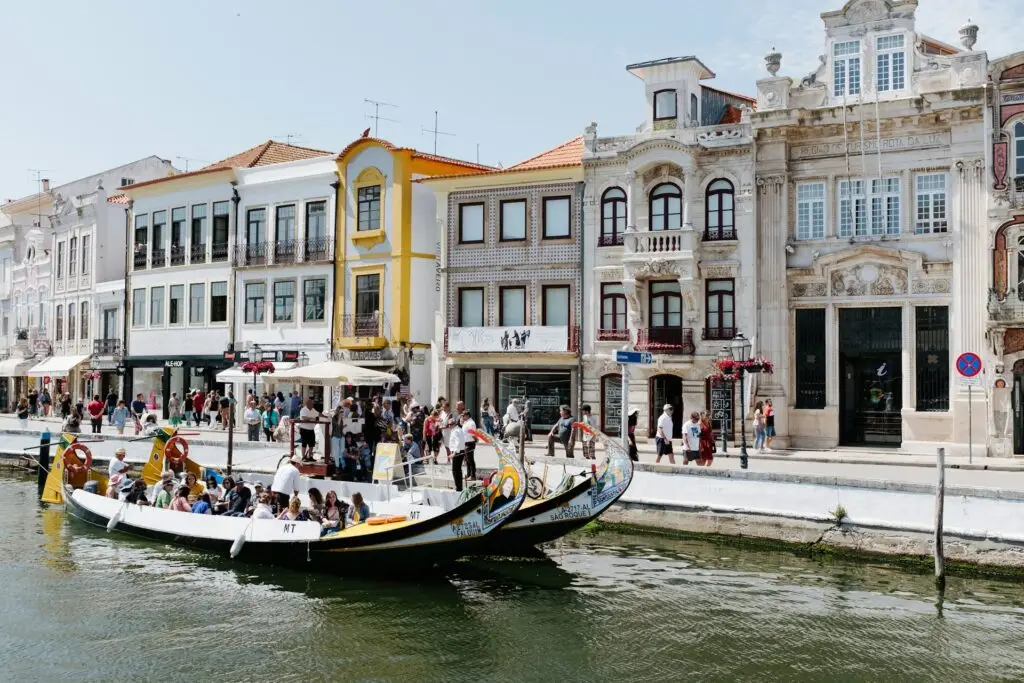
Often called the “Venice of Portugal,” Aveiro offers canals, coastal charm, and a relaxed lifestyle. It’s popular among students and young professionals, with average central rent around €615.
5. Sagres
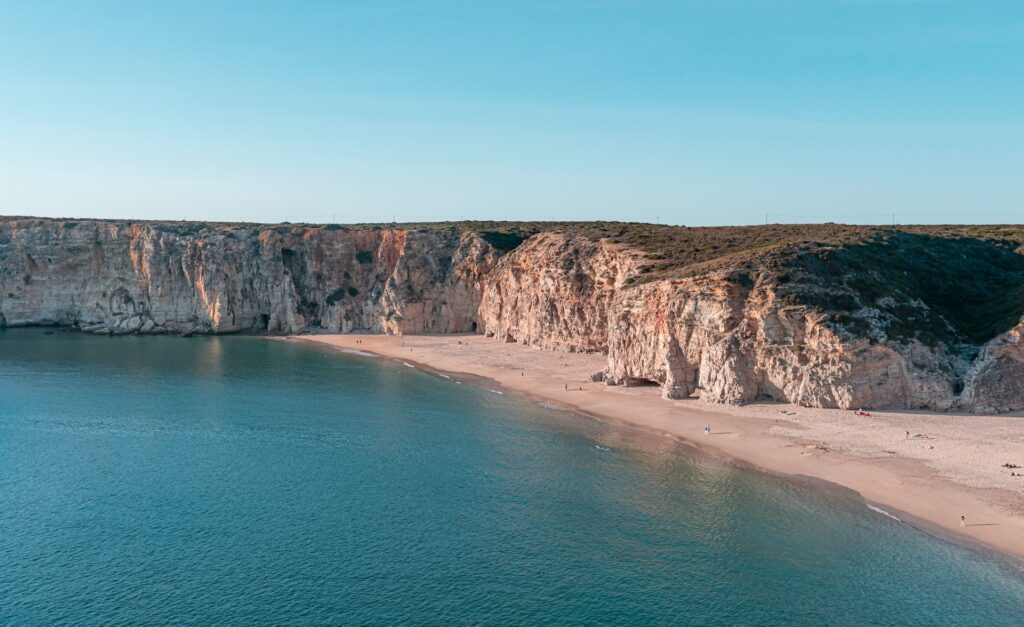
Located in the Algarve, Sagres is ideal for those who want a peaceful, nature-focused work environment. With stunning beaches and surf spots, it appeals to nomads seeking a slower pace.

6. Madeira
The subtropical Madeira island is perfect for nature lovers, offering hiking, great weather, and a growing nomad community. A 75 m² rental averages €892, with slightly higher prices in Funchal.
Portugal Digital Nomad Visa and Taxes
Understanding Portugal taxation is essential for anyone relocating under the Portugal Digital Nomad Visa, as tax obligations are determined not by visa type alone, but by tax residency status. In Portugal, an individual is generally considered a tax resident if they spend more than 183 days in the country within a 12-month period, or if they maintain a habitual residence there.
Once classified as a tax resident, an individual may be subject to Portuguese income tax on worldwide income, including income earned remotely. However, Portugal has an extensive network of double taxation treaties, which can help prevent the same income from being taxed twice, depending on the applicant’s country of origin.
While Portugal’s former Non-Habitual Resident (NHR) regime has undergone changes, tax planning remains a critical part of any digital nomad relocation strategy. The structure of income (whether salaried, freelance, or business-based) can materially affect tax outcomes. As such, professional tax advice is strongly recommended before establishing tax residency.
From a property investment perspective, taxation also extends to property ownership, rental income, and potential capital gains. Aligning immigration status, tax planning, and real estate decisions from the outset helps digital nomads avoid compliance issues and build a sustainable long-term presence in Portugal.
Can Digital Nomads Buy Property in Portugal?
Yes, holders of the Portugal Digital Nomad Visa (D8 Visa) are legally permitted to buy property in Portugal, just like any other foreign national. Portugal places no restrictions on real estate ownership based on visa type or nationality, which makes property acquisition a viable option for digital nomads planning medium- to long-term stays.
Digital nomads often approach property ownership strategically. Many begin by renting to understand local markets before committing to a purchase, while others move directly into ownership to secure housing stability and hedge against rising rental costs. Whether residential or investment-driven, property ownership is fully compatible with the Portugal remote work visa framework.
Importantly, buying property does not automatically grant residency, nor does it replace the need to maintain valid visa or residence permit status. However, property ownership can strongly support a Portugal D8 Visa application by serving as proof of accommodation and demonstrating long-term intent to reside in the country.
From a financial perspective, owning property aligns well with the goals of digital nomads who intend to renew residence permits, establish tax residency, or eventually apply for permanent residency. As Portugal continues to attract international remote professionals, real estate remains a central pillar of relocation and lifestyle planning.
For more videos about investing or moving to Portugal, explore our YouTube channel here: YouTube Channel Portugal Residency Advisors.
Alternative Digital Nomad Visas Portugal
If you’re thinking about moving to Portugal but find that you don’t meet all the requirements for the Digital Nomad Visa, don’t worry; there are alternative pathways to make your dream of living in Portugal a reality.
D2 Visa Portugal
D2 Visa Portugal, in case you are an entrepreneur looking to start or develop a business in Portugal, which allows you to obtain a residence permit for up to two years.
Portugal D7 Visa
The Portugal D7 Visa is perfect for retirees or those with passive income. This visa requires proof of regular income or savings and the ability to support yourself without working in Portugal.
Portugal Golden Visa
The Portugal Golden Visa program in Portugal, also known as the Residence Permit Program, is an investment immigration program that grants residency and citizenship rights to foreign investors who make a significant economic contribution to the country.
Why Choose Portugal Residency Advisors For Your Immigration Visa
Local Expertise
We know Portugal. Due to our extensive local knowledge, we believe that concentrating our services in a single country destination is the best way to give you the most thorough and useful information.
Honest Guidance
We recommend what’s best for you based on an extensive process experience that saves time and money to clients. Our pricing is clear and competitive, and we don’t sell services that make us more money.
All-in-One Solution
One single channel of communication for the entire process. We provide you with a comprehensive service that covers all aspects of your move, from identifying the ideal residency visa to finding your new home or helping you to settle.
Seamless Process
Technology plays a very important role in our company. We minimize our clients’ involvement in paperwork. We are customers ourselves and we know how to serve you.
Frequently Asked Questions
Can freelancers apply for the Portugal Digital Nomad Visa?
Yes. Freelancers and independent contractors can apply for the Digital Nomad Visa as long as they can prove stable remote income from foreign clients.
Applicants usually provide contracts, invoices, or bank statements to demonstrate consistent income.
How long does a Portugal Nomad Visa last?
The Portugal Digital Nomad Visa is valid for up to 12 months if you apply for the temporary stay visa. After that, you may apply for a renewal. Alternatively, if you apply for the long-term visa, it is initially valid for 4 months. Once in Portugal, you’ll need to convert it into a 2-year residence permit.
Can family members join a Portugal Digital Nomad Visa holder?
Yes. The Digital Nomad Visa allows family reunification. Spouses, dependent children, and in some cases dependent parents may apply to join the main applicant through Portugal’s family reunification process.
Can I travel outside of Portugal while on a digital nomad visa?
Yes, you can travel outside of Portugal while on a Portugal Digital Nomad Visa. However, you must have a valid visa or other required documentation for any other countries you plan to visit.
Is Portugal good for digital nomad?
Portugal can be a great destination for digital nomads due to its welcoming atmosphere, affordable cost of living, and growing digital infrastructure, especially in cities like Lisbon and Porto.
Do digital nomads pay tax in Portugal?
Digital nomads who live in Portugal for more than 183 days per year are generally considered tax residents and may be subject to Portuguese taxation on their income.
However, tax obligations depend on individual circumstances, tax treaties, and residency status, so professional tax advice is recommended.
What is the nomad tax in Portugal?
How long can I stay in Portugal without paying tax?
Under 183 days per 12-month period maintains non-resident tax status under current Portuguese law.
Can I work remotely in Portugal without obtaining a visa?
EU citizens can work remotely in Portugal without requiring a visa. However, non-EU nationals must obtain a visa if they plan to work remotely in Portugal for more than 90 days within a 180-day period. For remote workers, the D8 Visa, commonly referred to as the Digital Nomad Visa Portugal, is one option worth considering.
How much does it cost to live in Portugal as a digital nomad?
The cost of living in Portugal for digital nomads can vary significantly based on your lifestyle and chosen location. On average, monthly expenses can range from €1,200 to €2,000. Major cities like Lisbon and Porto tend to be more expensive, while smaller towns and rural areas offer more affordable options.
What is the difference between the Golden Visa and the Digital Nomad Visa in Portugal?
The Golden Visa is primarily for individuals making significant investments in Portugal. It grants residency and the potential for citizenship but requires a higher financial commitment. In contrast, the Digital Nomad Visa is aimed at remote workers who can demonstrate a stable income from outside Portugal. It does not require a large investment but does allow individuals to live and work in Portugal while maintaining employment with a non-Portuguese company.
The Portugal Digital Nomad Visa is one of the most attractive residency options in Europe for remote professionals, but preparing the correct financial documentation and visa application is essential.


