Skip to content
Lisbon has become one of the most attractive cities in Europe for international residents. Many expats — particularly those moving to Portugal from the USA — choose the capital for its lifestyle, safety, and international community.
Many expats moving to Lisbon arrive through residency pathways such as the Portugal D7 Visa for passive income holders or the Digital Nomad Visa (D8) designed for remote workers. If you’re considering relocating, our Portugal Immigration Guide explains the different visas that allow foreigners to live in Portugal.
In this guide, we explore the best neighborhoods in Lisbon for expats, comparing lifestyle, property prices, and the types of areas that international residents choose when relocating to the Portuguese capital.
If you are still exploring the country, you may also want to read our guide to the Best Places to Live in Portugal, which compares Lisbon with other popular destinations such as the Algarve, Porto, and Madeira.
Types of Neighborhoods in Lisbon for Expats
Lisbon offers a wide mix of neighborhoods for expats, from historic districts and lively central areas to modern waterfront developments and quiet residential communities.
The table below highlights the main types of neighborhoods you’ll find in Lisbon and the lifestyle they typically offer.
| Neighborhood Type | Lifestyle | Example Areas |
|---|---|---|
| Historic neighborhoods | Traditional charm, narrow streets, historic architecture | Alfama, Graça |
| Trendy neighborhoods | Restaurants, nightlife, culture, and boutique shopping | Chiado, Bairro Alto, Príncipe Real |
| Family-friendly neighborhoods | Quiet areas popular with families and professionals | Campo de Ourique, Alvalade, Avenidas Novas |
| Waterfront neighborhoods | Riverfront living with promenades and modern housing | Belém, Parque das Nações |
| Areas around the city | Coastal or countryside lifestyle near the capital | Cascais, Sintra |

Historic Neighborhoods
Lisbon’s historic districts are among the most iconic parts of the city. They offer charming streets, centuries-old architecture, and a strong connection to Portuguese culture.
These areas tend to attract expats who enjoy authentic city living and a lively atmosphere.
Alfama
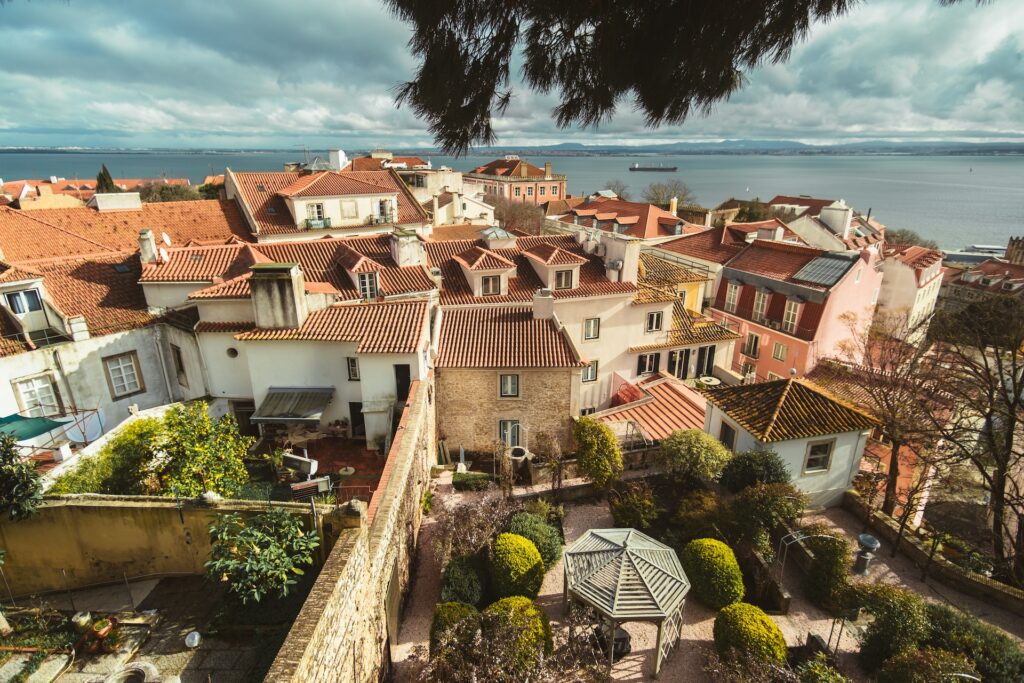
Alfama is Lisbon’s oldest neighborhood and one of the most iconic areas in the city. Known for its narrow cobbled streets, colorful tiled houses, and traditional atmosphere, the district offers an authentic glimpse into Portuguese culture.
The area sits beneath São Jorge Castle and stretches down toward the Tagus River, with beautiful viewpoints such as Miradouro de Santa Luzia. Residents enjoy traditional bakeries, local markets, and Fado music venues that bring the neighborhood to life in the evenings.
For expats who want to experience historic Lisbon and live close to major landmarks like Lisbon Cathedral (Sé), Alfama offers a unique atmosphere—although steep hills and tourism can be part of daily life.
Average Property Price in Alfama
€6,377 per m²
Graça
Graça sits just above Alfama and is known for its panoramic views across Lisbon’s rooftops and the Tagus River. While still historic, it offers a more residential and relaxed atmosphere than many central districts.
The neighborhood is famous for viewpoints such as Miradouro da Senhora do Monte and Miradouro da Graça, both popular gathering spots for locals and expats. Daily life often revolves around neighborhood cafés, bakeries, and small grocery stores around Largo da Graça.
Graça attracts expats who want traditional Lisbon charm while remaining close to downtown areas like Baixa and Mouraria.
Average Property Price in Graça
€5,695 per m²
Trendy Central Neighborhoods
Chiado
Chiado is one of Lisbon’s most elegant and culturally rich neighborhoods. Located between Baixa and Bairro Alto, it is home to theaters, historic cafés, bookstores, and upscale boutiques.
Expats living in Chiado enjoy walking distance to landmarks such as the Carmo Convent, São Carlos Theatre, and the historic Bertrand Bookstore, the oldest operating bookstore in the world.
The neighborhood offers excellent public transport and easy access to the metro, making it one of the most convenient places to live in Lisbon for professionals and international residents.
Average Property Price in Chiado
€6,377 per m²
Bairro Alto
Bairro Alto is famous for its lively nightlife and artistic character. During the day, the district feels calm, with narrow streets filled with small boutiques, cafés, and local shops.
At night, the neighborhood transforms into Lisbon’s social hub, with bars and restaurants attracting locals, students, and international residents. Viewpoints such as Miradouro de São Pedro de Alcântara provide stunning sunset views across the city.
Bairro Alto is ideal for expats who enjoy a vibrant social scene and want to live in the heart of Lisbon’s cultural life.
Average Property Price in Bairro Alto
€6,788 per m²
Principe Real
Príncipe Real has become one of the most desirable neighborhoods in Lisbon for expats. Located just above Bairro Alto, the area combines elegant architecture with a relaxed, modern atmosphere.
The neighborhood revolves around Jardim do Príncipe Real, a leafy park surrounded by cafés, restaurants, and boutique shops. Residents also enjoy the weekly organic market and nearby attractions like the Botanical Garden of Lisbon.
Príncipe Real is particularly popular among international professionals, creatives, and entrepreneurs looking for a stylish and centrally located neighborhood.
Average Property Price in Príncipe Real
€6,788 per m²
Marvila
Marvila is one of Lisbon’s fastest-changing neighborhoods. Once an industrial district, it is now emerging as a creative hub filled with art studios, coworking spaces, and craft breweries.
Converted warehouses now house places such as Underdogs Gallery, and the neighborhood has become known for street art, design studios, and alternative events.
Marvila attracts younger expats, entrepreneurs, and artists looking for a more experimental and less touristy side of Lisbon.
Average Property Price in Marvila
€5,699 per m²
Intendente
Intendente has transformed significantly in recent years and is now one of Lisbon’s most multicultural neighborhoods. The district blends historic buildings with international restaurants, cafés, and creative spaces.
The heart of the area is Largo do Intendente, a lively square surrounded by terraces and cultural events. Its central location and metro access make it practical for daily life.
While still evolving, Intendente offers a vibrant community and more accessible prices than some of Lisbon’s prime districts.
Average Property Price in Intendente
€5,332 per m²

Family-Friendly Neighborhoods
Campo de Ourique
Campo de Ourique is one of Lisbon’s most family-friendly neighborhoods. Known for its calm atmosphere and walkable streets, the area offers a strong sense of community.
Local life often centers around the Mercado de Campo de Ourique, a popular food market where residents gather for meals and socializing. Nearby parks such as Jardim da Parada provide green space for families and children.
With good schools, supermarkets, and healthcare services nearby, Campo de Ourique is an excellent choice for expats seeking a balanced residential lifestyle.
Average Property Price in Campo de Ourique
€6,280 per m²
Alvalade
Alvalade is a traditional residential neighborhood known for wide avenues, green parks, and a peaceful atmosphere. It is particularly attractive for families and professionals who prefer a quieter environment.
Residents enjoy outdoor spaces such as Campo Grande Park, which offers lakes, walking paths, and cycling routes. The neighborhood also has strong metro connections and is located close to Lisbon Airport.
Alvalade offers a practical lifestyle with local markets, cafés, and schools while remaining well connected to the city center.
Average Property Price in Alvalade
€5,779 per m²
Estrela
Estrela is a calm and elegant neighborhood that suits expats looking for a quieter pace while remaining close to central Lisbon. With historic buildings, leafy streets, and a refined atmosphere, it’s especially popular with families and retirees.
Life here often revolves around the Estrela Basilica and Jardim da Estrela, one of the city’s most beloved parks. The area also offers cafés, local bakeries, and easy tram connections into downtown Lisbon.
Estrela is ideal for expats who want charm, greenery, and a more residential rhythm without moving too far from the city center.
Average Property Price in Estrela
€6,759 per m²
Avenidas Novas
Avenidas Novas is one of Lisbon’s most modern and well-developed districts. Characterized by wide boulevards and contemporary apartment buildings, it attracts professionals who prefer a more structured urban environment.
The neighborhood is home to the Calouste Gulbenkian Museum and Gardens, one of Lisbon’s most important cultural institutions. Residents also enjoy easy access to shopping centers, international restaurants, gyms, and coworking spaces.
Its strong metro connections and proximity to business districts make Avenidas Novas one of the most convenient areas to live in Lisbon.
Average Property Price in Avenidas Novas
€6,916 per m²
Get In Touch With Us
Portugal Residency Advisors® has helped hundreds of international families and investors secure residency, citizenship, and investments in Portugal. Get in touch with a specialist today and discover how we can help you start your journey to Portugal.
Waterfront Neighborhoods
Belém
Belém is one of Lisbon’s most scenic districts, located along the Tagus River. The area combines history, open green spaces, and riverside living.
It is home to famous landmarks such as Jerónimos Monastery, Belém Tower, and the popular Pastéis de Belém bakery. Residents enjoy cycling and walking along the riverfront promenade.
Belém offers a quieter lifestyle than central Lisbon while remaining well connected to the city.
Average Property Price in Belém
€6,529 per m²
Parque das Nações
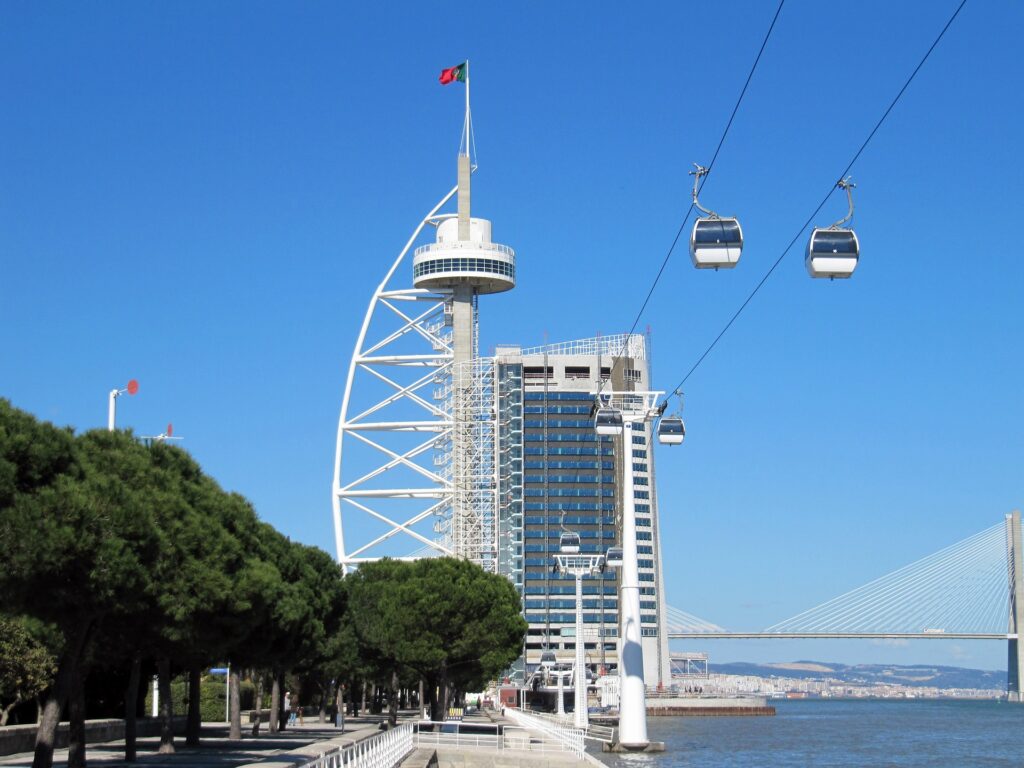
Parque das Nações is Lisbon’s most modern neighborhood, built for the 1998 World Expo. Today it is known for contemporary architecture, waterfront parks, and family-friendly infrastructure.
The district includes the Lisbon Oceanarium, riverside walking paths, modern residential developments, and the Vasco da Gama shopping area.
With excellent transport links, shopping, and modern apartment buildings, Parque das Nações is particularly popular with families and professionals.
Average Property Price in Parque das Nações
€6,404 per m²
Areas Around the City
Cascais
Cascais is one of Portugal’s most popular coastal towns for international residents. Located about 30 minutes from Lisbon, it offers beaches, golf courses, and a strong expat community.
Residents enjoy the marina, the seaside promenade, and easy access to Guincho Beach and the Sintra-Cascais Natural Park. Cascais is especially attractive for families thanks to international schools and a relaxed lifestyle.
Cascais are is particularly attractive for families relocating to Portugal, thanks to nearby parks and schools. Families may also want to explore options for international schools in Portugal, which are available across Portugal’s coastal area.
It’s a top choice for expats who want to stay close to Lisbon while enjoying a more spacious coastal setting.
Average Property Price in Cascais
€5,510 per m²
Sintra
Sintra is known for its lush landscapes, historic estates, and fairytale-like atmosphere. Located in the hills northwest of Lisbon, it offers a peaceful environment surrounded by nature.
The area is famous for landmarks such as Palácio da Pena, Quinta da Regaleira, and the surrounding forested hills. Many expats choose Sintra for its cooler climate, quiet lifestyle, and scenic beauty.
Sintra is ideal for buyers looking for more space, greenery, and a slower rhythm of life close to Lisbon.
Average Property Price in Sintra
€3,167 per m²

Quick Comparison of Lisbon Neighborhoods
The table below summarizes some of the most popular neighborhoods in Lisbon for expats, highlighting the lifestyle each area offers and the types of residents it tends to attract.
| Neighborhood | Lifestyle | Best For Expats Who… |
|---|---|---|
| Alfama | Historic hillside district | want traditional Lisbon charm |
| Graça | Residential historic area | enjoy viewpoints and a local atmosphere |
| Chiado | Elegant cultural district | prefer theaters, cafés, and shopping |
| Bairro Alto | Lively nightlife area | enjoy restaurants and social life |
| Príncipe Real | Trendy central neighborhood | like boutique shops and cafés |
| Campo de Ourique | Family-friendly residential | want community life and markets |
| Alvalade | Quiet residential district | prefer parks and space |
| Avenidas Novas | Modern urban area | want convenience and wide avenues |
| Belém | Riverside historic district | enjoy green spaces and monuments |
| Parque das Nações | Modern waterfront district | prefer contemporary apartments |
| Marvila | Creative emerging district | like art spaces and startups |
| Intendente | Multicultural urban area | enjoy diverse food and culture |
| Cascais | Coastal town near Lisbon | want beach living near the capital |
| Sintra | Countryside town near Lisbon | prefer nature and historic estates |
Real Estate in Lisbon
Lisbon’s real estate market has attracted strong international demand over the past decade. Compared with major European capitals such as London or Paris, the city still offers relatively competitive property prices while delivering an exceptional quality of life.
Although housing prices have increased in recent years, Lisbon remains attractive for international buyers. Our guide to Cost of Living in Portugal provides a detailed overview of expenses such as housing, groceries, transportation, and daily living.
Foreign buyers can purchase property in Portugal without restrictions. If you’re considering buying a home, our guide to Buying Property in Portugal explains the legal process, taxes, and due diligence involved.
For a broader overview of the market, see our Portugal Real Estate Guide, which explores property types, regional prices, and investment opportunities.
Some owners also choose to generate rental income from their property. Our guide to Renting Out Property in Portugal explains how both long-term and short-term rental strategies work for property owners.
Residency Options for Expats Moving to Lisbon
If you plan to relocate to Lisbon long term, you will usually need a Portuguese residency visa before applying for a residence permit.
Two of the most common pathways include the D7 Passive Income Visa, popular among retirees and individuals with stable passive income, and the Digital Nomad Visa (D8) designed for remote workers earning income from outside Portugal.
Once residents obtain a Portuguese residence permit, they can access the country’s public healthcare system. Our guide to Portugal’s Healthcare System explains how expats can register and use medical services.
You can explore the full visa options and requirements in our Portugal Immigration Guide, which outlines the main residency pathways available to foreigners moving to Portugal.
Explore Other Places to Live in Portugal
Lisbon is one of the most popular destinations for expats relocating to Portugal, but several other regions offer different lifestyles and property markets.
You may also want to explore:
- Best Neighborhoods in Porto for Expats
- Best Cities in the Algarve for Expats
- Best Places for Expats on the Silver Coast
- Best Places to Live in Madeira
If you’re still deciding where to relocate, our main guide to the Best Places to Live in Portugal compares the country’s most popular destinations.
How Can We Help
Local Expertise
We know Portugal inside out. By focusing exclusively on one country, we provide clear, practical guidance based on deep local knowledge.
Honest Guidance
We recommend what’s truly best for you. Our advice is based on real experience, helping clients save time and money with transparent and fair pricing.
All-in-One Solution
A single point of contact for your entire relocation. From choosing the right visa to finding your new home and settling in Portugal, we support you at every step.
Seamless Process
Technology helps us simplify the process and reduce paperwork for our clients. As customers ourselves, we understand how to deliver a smooth and efficient experience.
Discover 10 Reasons to Choose Us for Your Relocation to Portugal
Your Questions Answered
What is the best neighborhood in Lisbon for expats?
Príncipe Real, Campo de Ourique, and Avenidas Novas are among the most popular neighborhoods for expats. These areas offer safety, good infrastructure, and easy access to central Lisbon.
Is Lisbon a good city for expats?
Yes. Lisbon is considered one of Europe’s best cities for expats thanks to its mild climate, safety, strong infrastructure, and international community.
Which Lisbon neighborhoods are best for families?
Campo de Ourique, Alvalade, and Cascais are excellent options for families due to parks, schools, and residential environments.
Is it expensive to live in Lisbon?
Lisbon is more affordable than many Western European capitals, but housing prices have increased in recent years. Costs vary significantly depending on the neighborhood.
Can foreigners buy property in Lisbon?
Yes. Portugal allows foreigners to buy property without restrictions. Many international buyers purchase homes in Lisbon for relocation, investment, or second-home purposes.
Lisbon offers a remarkable diversity of neighborhoods, each with its own lifestyle and atmosphere. Historic districts like Alfama and Graça provide authentic Portuguese charm, while areas such as Príncipe Real and Chiado offer vibrant urban living. Residential neighborhoods like Alvalade and Campo de Ourique appeal to families, while waterfront districts such as Parque das Nações provide modern comfort and open space. Ultimately, the best neighborhood in Lisbon depends on your lifestyle preferences, budget, and relocation goals.