 Skip to content


Working remotely in Portugal has become more than a trend; it is a lifestyle decision embraced by thousands of digital nomads, freelancers, and remote employees. With its mild climate, welcoming locals, and beautiful coastal cities, Portugal offers an ideal environment for people who want to combine productivity with quality of life.
In 2026, it is not just a place for short term stays; many are choosing to live here full time thanks to supportive visa options and reliable services.
From the cobbled streets of Lisbon to the colorful alleys of Porto and the laid back beaches of Faro, the country balances old world charm with modern conveniences. The availability of fast internet, coworking spaces, and English speaking professionals makes it easy to set up and work with minimal hassle.
Even regions like Madeira have grown into remote work hubs, offering nature, community, and infrastructure in one package.
Portugal’s lower cost of living compared to countries like Germany or the United States also makes it attractive for long term stays. Whether you are self-employed or working for a company abroad, this guide will help you understand all the key aspects of working remotely in Portugal from choosing the right visa and neighborhood to setting up your daily life.
Why Portugal is Perfect for Remote Work
Portugal stands out as one of the most attractive destinations in the world for remote workers. It combines everything a digital nomad or remote employee could ask for: good weather, modern infrastructure, safety, and affordability, all wrapped in a warm, welcoming culture.
For those working with international teams, Portugal’s time zone (GMT/WEST) aligns perfectly with most European countries and overlaps partially with the United States, allowing for smooth communication across continents.
The cost of living is another major advantage for working remotely in Portugal. Compared to Western Europe or North America, essentials like housing, groceries, transport, and utilities are more affordable, especially outside Lisbon.
Safety also plays a huge role as Portugal consistently ranks as one of the safest countries in Europe, allowing remote workers to focus on work and enjoy life without unnecessary worries.
Climate is a big bonus. With mild winters and over 250 days of sunshine per year in many regions, outdoor cafes, beach breaks, and weekend hikes are all part of daily life. From the surf friendly Algarve to the university town of Coimbra or the remote worker friendly island of Madeira, Portugal offers a wide range of living environments.
Healthcare and public transport systems are reliable and accessible. The culture is rich, with a focus on food, family, and community, yet open to innovation and diversity. Whether you are enjoying fresh seafood, attending a local music event, or networking in a coworking hub, you will feel the blend of tradition and modern living.
In short, working remotely in Portugal is not just about the job, it is about improving your overall quality of life.
Internet Access in Portugal and Tech Readiness
Portugal has become one of Europe’s most digitally connected countries, thanks to years of consistent investment in its internet and mobile infrastructure.
Most urban and suburban areas are now covered with high-speed fiber internet, offering stable connections ideal for video conferencing, file sharing, streaming, and remote collaboration.
Even many smaller towns and rural regions benefit from upgraded internet options, while major cities like Lisbon, Porto, and Coimbra enjoy widespread 5G coverage for fast mobile browsing on the go.
If you’re working remotely in Portugal, you’ll appreciate the affordability of digital services. A reliable home internet plan (60 Mbps or higher, unlimited data) averages around 37.84 € per month.
For mobile phone users, a typical monthly plan with unlimited calls and at least 10GB of data costs about 20.42 €, making it easy to stay connected without stretching your budget.
Coworking spaces are everywhere from Lisbon’s stylish Second Home to Porto’s Impact Hub and Braga’s fast-growing digital hubs. These spaces offer more than just fast Wi-Fi and desks, they provide networking opportunities, events, and community.
Many also offer flexible memberships for part-time or full-time access, suiting different remote work styles.
SIM cards are easy to purchase at airports, convenience stores, or telecom shops. Providers like MEO, NOS, and Vodafone offer prepaid and contract plans with good coverage across the country.
Whether you’re working from a beachside bungalow, a city apartment, or a countryside guesthouse, Portugal is fully equipped to support your remote work lifestyle.
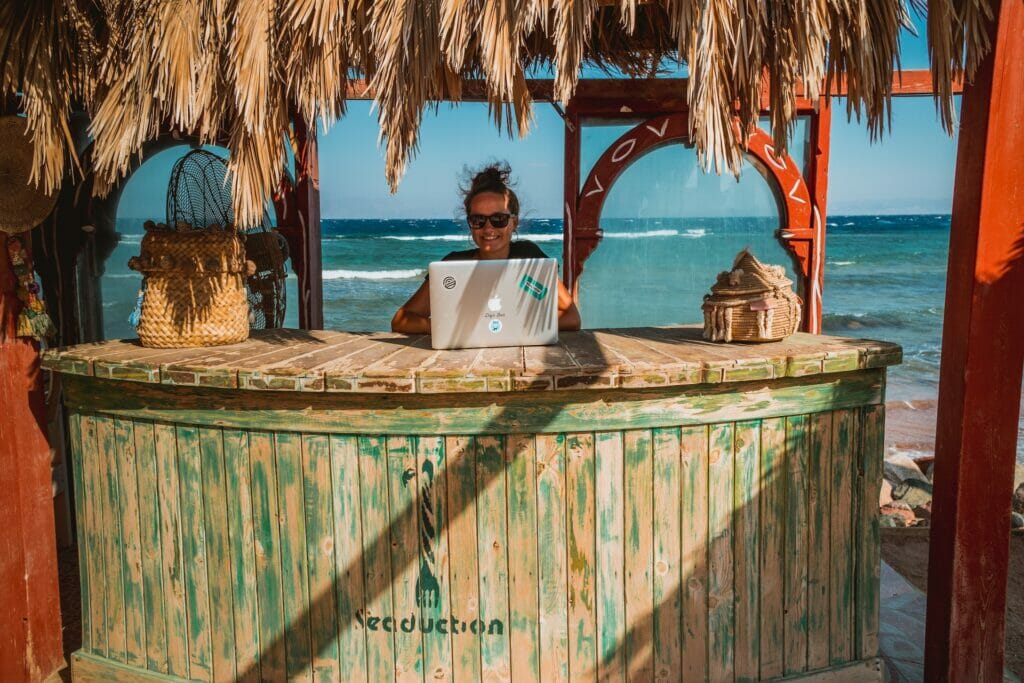
Visas and Residency Options for Remote Workers in Portugal
To legally work remotely in Portugal, non-EU and non-EEA citizens must obtain a valid visa. Fortunately, Portugal has created a range of flexible visa options that accommodate various work arrangements and income types.
Whether you are a salaried remote employee, a freelancer, or someone living off passive income, there is likely a visa that fits your situation.
Digital Nomad Visa (D8 Visa)
The Digital Nomad Visa is one of the most popular choices in 2026 for working remotely in Portugal. It’s designed for individuals working for companies or clients outside Portugal. Applicants can choose between a Temporary Stay Visa, which allows up to 12 months of stay, or a Residency Visa, which is valid for longer periods and renewable.
To qualify, you must show proof of regular monthly income, €3,680, around four times Portugal’s minimum wage along with a remote employment contract or service agreement.
Full breakdown: Digital Nomad Visa Portugal
D7 Visa (Passive Income)
The D7 Visa, also called the Passive Income Visa, is ideal for people who receive a steady income without actively working. It can be from pensions, rental properties, or dividends. It is often used by early retirees, remote investors, or financially independent professionals.
You’ll need to prove a minimum passive monthly income (typically around €920 or more), valid health insurance, and a place to stay in Portugal. It is one of the good options for working remotely in Portugal.
D2 Visa Portugal
The D2 Visa is well suited for freelancers, entrepreneurs, and independent service providers who want to establish a small business or work with clients from Portugal. Unlike the Digital Nomad Visa, the D2 supports those actively engaging in business within the country. A basic business plan, proof of contracts, or freelance activity is usually required, along with a Portuguese tax ID (NIF).
In all cases, applicants must provide documentation such as bank statements, a clean criminal record, proof of accommodation, and valid health insurance.
The first step is to apply for the appropriate visa at the Portuguese embassy or consulate in your home country. Once your visa is approved, you can travel to Portugal.
After arriving, the next step is to register with AIMA (Agency for Integration, Migration and Asylum), the official authority responsible for residence permits and migrant support services.
How to Apply for a Visa for Working Remotely in Portugal
Working Remotely in Portugal starts with applying for a visa in your home country. You’ll need to submit an application through the Portuguese consulate or via VFS Global if available. The standard documents include:
- Completed visa application form
- Valid passport
- Two passport-sized photos
- Proof of income (bank statements, contracts, etc.)
- NIF (Portuguese tax ID)
- Proof of accommodation
- Background check
- Valid travel or health insurance
Appointments may include an interview and biometric data. Once approved, you’ll enter Portugal and finalize your residency with AIMA.
Best Places for Working Remotely in Portugal
Portugal offers a variety of locations to match every remote worker’s lifestyle, whether you prefer an energetic city or a quiet spot by the sea. From culture and coworking to climate and community, these five places stand out for those working remotely in Portugal.
Lisbon
Lisbon is the capital that remains the top choice for professionals working Remotely in Portugal. It offers an unbeatable mix of modern infrastructure, rich history, international events, and excellent connectivity. The startup scene is thriving, with coworking spaces like Second Home and Outsite, while the city’s trams, restaurants, and viewpoints keep life exciting outside work hours.
Porto
Porto, in the north, has quickly become a favorite among digital nomads. Known for its creative atmosphere and scenic riverside views, Porto is slightly more affordable than Lisbon but offers just as much charm. It was recently named one of the 10 best cities in the world by Time Out Magazine, which praised its vibrant character, friendly people, and cultural scene. The city’s relaxed pace, reliable internet, and strong coffee culture make it a great place to focus and recharge.
Algarve
The Algarve, located along Portugal’s southern coast, is ideal for those seeking a slower pace with daily access to beaches and sunshine. Towns like Lagos, Faro, and Albufeira offer a peaceful lifestyle, along with coworking options and strong digital infrastructure. It’s perfect for remote workers who value nature, surfing, and mild weather all year round.
Braga
Braga is one of Portugal’s rising tech hubs. Popular with young professionals and students for working remotely in Portugal, it offers a mix of modern living and historical charm. It’s quieter than the bigger cities, but it has excellent amenities, lower rent, and growing coworking communities.
Madeira
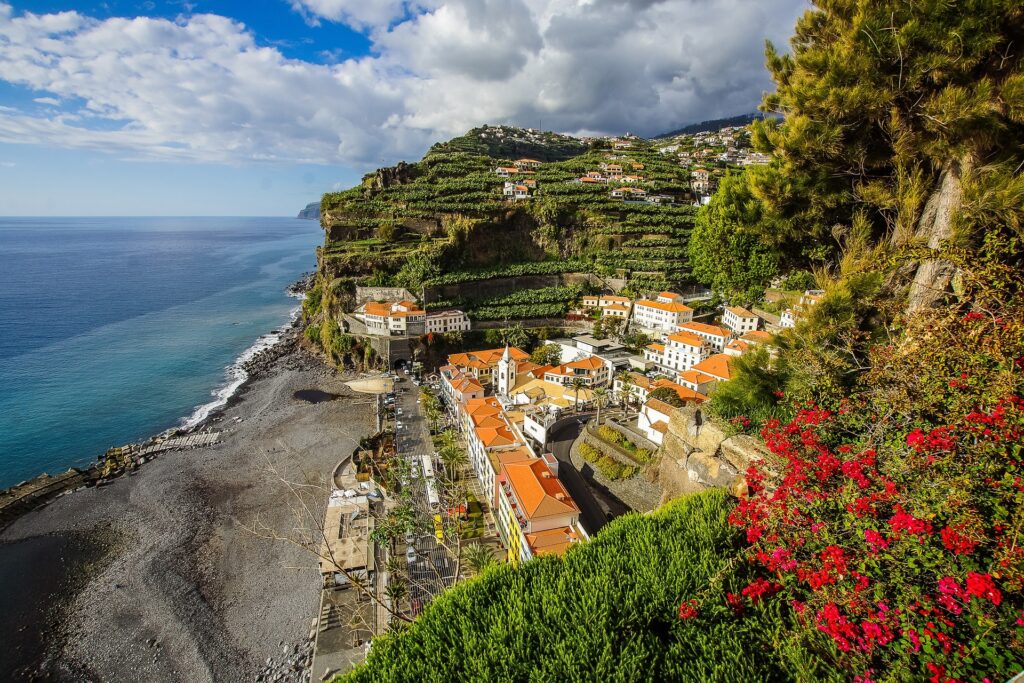
Madeira, the island paradise, has become a remote work destination thanks to its stunning views and dedicated digital nomad village in Ponta do Sol. With fiber internet, relaxed island life, and a supportive expat community, it’s a dream for freelancers looking to escape the noise of the mainland.
In all five locations, short-term rentals and co-living spaces are easy to find. Most come fully furnished with fast Wi-Fi, desks, and flexible terms. These are perfect for making your life working remotely in Portugal smooth and comfortable.


Cost of Living for Remote Workers
Portugal remains affordable compared to Western Europe.
Typical monthly costs:
- Lisbon: €1,800–€2,800
- Porto: €1,400–€2,200
- Algarve: €1,500–€2,500
- Smaller cities: €1,200–€1,800
Full breakdown: Cost of Living in Portugal
Taxes and Banking for Remote Workers
Understanding the tax and banking system is essential if you’re planning on working remotely in Portugal for more than a few months. The country’s tax affairs are overseen by the Autoridade Tributária e Aduaneira (AT), Portugal’s Tax and Customs Authority. If you spend more than 183 days in Portugal within a 12-month period, you are generally considered a tax resident and may be liable to declare global income.
The first step is obtaining a NIF (Número de Identificação Fiscal). It is required for almost all financial activities like opening a bank account and signing a rental lease, getting internet, utilities, or even applying for a mobile phone plan. Portugal also has tax treaties with many countries to avoid double taxation, allowing you to stay compliant without being taxed twice on the same income.
Some expats may still qualify for the Non-Habitual Resident (NHR 2.0) program, which offers favorable tax rates on foreign income for a period of up to 10 years.
Get In Touch With Us
Portugal Residency Advisors® has helped hundreds of international families and investors secure residency, citizenship, and investments in Portugal. Get in touch with a specialist today and discover how we can help you start your journey to Portugal.
Building a Social and Professional Network
One of the biggest advantages of working remotely in Portugal is the ease of connecting with like-minded people. From Lisbon’s buzzing coworking spaces to quieter communities in the Algarve or Madeira, building a strong social and professional network is easier than you might expect.
Coworking hubs such as Avila Spaces, LACS, and Impact Hub often host networking events, skill-sharing sessions, and workshops where freelancers, entrepreneurs, and remote employees can meet, collaborate, and grow professionally.
Online platforms also play a key role. Facebook groups like “Digital Nomads Portugal” or “Expats in Lisbon” are active and helpful for everything from apartment hunting to finding weekend events.
Slack communities and Meetup.com are great for discovering tech talks, yoga meetups, language exchanges, or even hiking trips with other expats.
Language is not a major obstacle as most young Portuguese speak English fluently. Still, learning a bit of Portuguese helps deepen connections. Free apps like Duolingo and Tandem make language practice fun and useful.
Working remotely in Portugal is easy by joining webinars, innovation forums, and startup pitch nights. This makes Portugal not only a scenic destination but a place to build long-term relationships. No matter where you settle, you’ll find a welcoming and inspiring community.
To go deeper, explore:
Tips for Moving to Portugal
Relocating to a new country is exciting, but it can also be overwhelming without the right guidance when you’re trying to settle in and start working remotely in Portugal at the same time. To make your move as smooth and stress-free as possible, it’s important to start early and get organized.
Begin by researching which visa suits your situation: Digital Nomad, D7, or D2. Each requires specific documentation, such as proof of income, accommodation, background checks, and health insurance. Applying from your home country through the Portuguese consulate or VFS Global is the first step.
Before you move, it’s also wise to arrange a stable internet at your chosen accommodation if you’re working remotely in Portugal. Ensure your mobile SIM card is ready, and consider renting a place that already includes Wi-Fi, a desk, and flexible lease terms.
A critical piece of the relocation puzzle is your NIF (Número de Identificação Fiscal), a Portuguese tax ID needed to rent property, open a bank account, sign up for utilities, or receive income. Sorting out this and other bureaucratic steps on your own can be tricky, especially with language barriers and ever-changing legal requirements.
If you’re also job-seeking or planning to freelance for local clients, visit IEFP.pt for job boards and career resources. The European Labour Authority’s 2023 report can help you understand which skills are in demand for working remotely in Portugal.
How We Can Help
Local Expertise
We know Portugal inside out. By focusing exclusively on one country, we provide clear, practical guidance based on deep local knowledge.
Honest Guidance
We recommend what’s truly best for you. Our advice is based on real experience, helping clients save time and money with transparent and fair pricing.
All-in-One Solution
A single point of contact for your entire relocation. From choosing the right visa to finding your new home and settling in Portugal, we support you at every step.
Seamless Process
Technology helps us simplify the process and reduce paperwork for our clients. As customers ourselves, we understand how to deliver a smooth and efficient experience.
Your Questions Answered
Do I need a visa to work remotely in Portugal?
Yes, non-EU citizens need a visa such as the Digital Nomad (D8), D7, or D2.
Do I pay taxes in Portugal as a remote worker?
If you stay more than 183 days, you are usually considered a tax resident and must declare income.
Is Portugal good for freelancers?
Yes, Portugal is one of the best countries in Europe for freelancers due to lifestyle, cost, and infrastructure.
Can I work remotely in Portugal for a foreign company?
Yes, this is very common and typically done under the Digital Nomad Visa.
What is the best city for remote work in Portugal?
Lisbon and Porto are top choices, but Madeira and the Algarve are also popular depending on lifestyle.
Working remotely in Portugal offers a rare combination of lifestyle, affordability, and flexibility. Whether you are freelancing, employed abroad, or building a business, the country provides a stable and welcoming environment to live and work long term. The key is proper setup — choosing the right visa, understanding taxes, and organizing your essentials early. Once these are in place, Portugal becomes not just a destination, but a sustainable base for your professional and personal life.


